aquaponicsnepal.com
OM AQUAPONICS
Teaching Nepal to grow its own clean food — since 2018.
A not-for-profit educator, system designer, and builder.
who we are
Technologists first.
Farmers by necessity.
Om Aquaponics was founded on a simple belief: the surest way to clean food is to teach people to grow it themselves. We design, build, and train — knowledge is the product, and it is meant to be given away.
what is aquaponics?
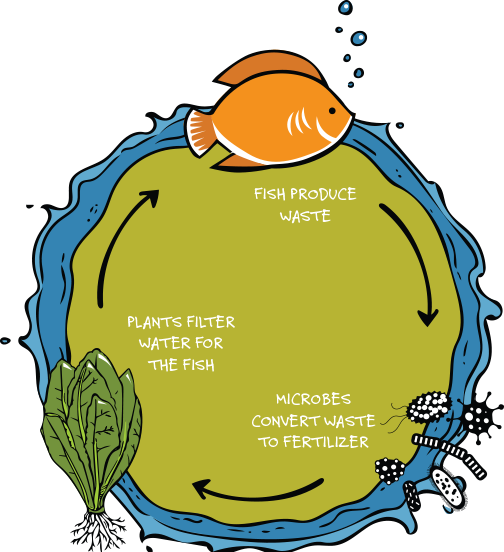
Fish feed plants.
Plants clean water.
A system of aquaculture in which the waste produced by farmed fish supplies the nutrients for plants grown hydroponically, which in turn purify the water — a closed, living loop.
why use aquaponics?
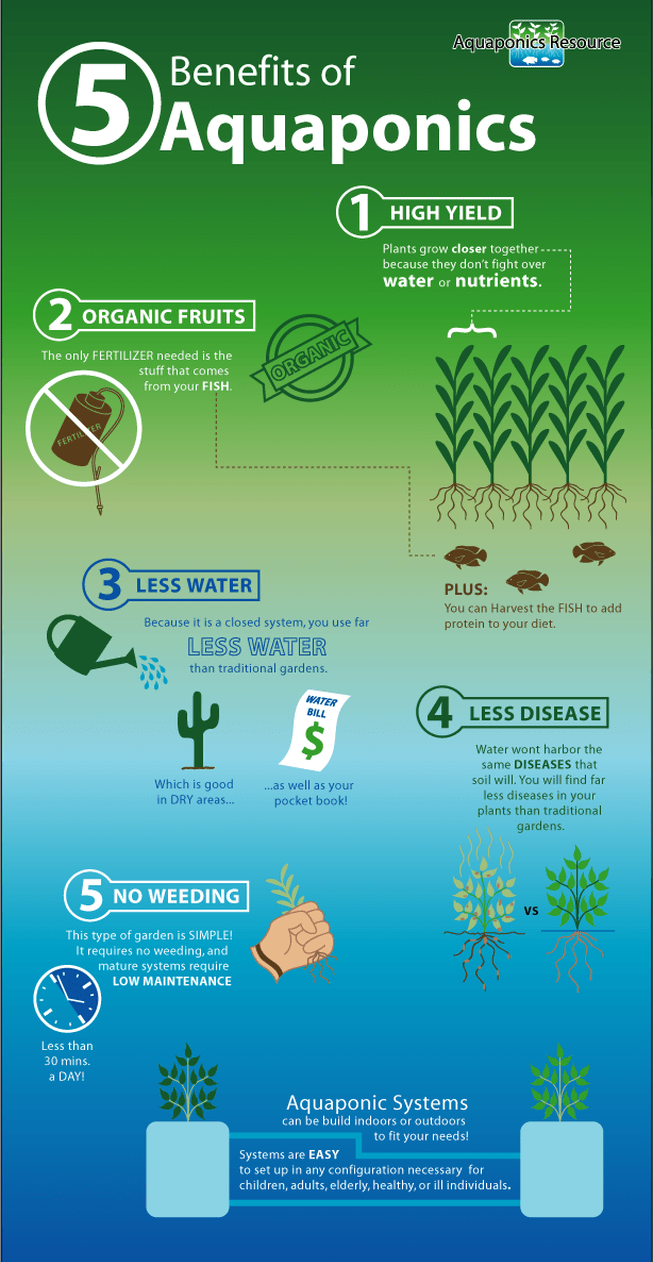
Nature's answer to
expensive organic farming
why nepal is built for this
Three climates,
one country
And where hill villages draw water from springs 300 metres below the settlement, a system that recirculates 95% of its water isn't a luxury — it's the answer.
Sources: MoALD Livestock & Fisheries Statistics 2079/80 · Discover Applied Sciences (2020) · SciDev.Net
we saw this coming in 2018
Nepal's food import bill
has gone vertical
Rs 38.5 billion of that is vegetables alone — food Nepal can grow itself.
Source: Kathmandu Post, Aug 2025 — agricultural import statistics, FY 2024–25
and what we import is not clean
The lab keeps finding
poison on our plates
Mandatory import residue testing was introduced in June 2019 — and withdrawn 16 days later. Regulation will not save us. Growing our own will.
Source: Rapid Bioassay of Pesticide Residue lab, Kalimati — Kathmandu Post, Oct 2025 · Jul 2019
and the gap is not only vegetables
Nepal barely eats fish —
because there barely is any
Even at 3.5 kg, Nepal still imports fish to meet demand. Aquaponics grows the fish and the vegetables — one system, both gaps.
Sources: MoALD Livestock & Fisheries Statistics 2079/80 · Springer, Sustainable Fisheries & Aquaculture in Nepal (2022)
where aquaponics stands in nepal today
Pilots since 2006.
Commercial scale — not yet.
Small systems have run in Syangja, Surkhet, and Kathmandu for years. None has crossed to commercial scale — not because it can't work here, but because every attempt has hit the same four walls:
Feed is the quiet one — a third of Nepal's fish feed is imported and fingerling supply is thin. These walls are exactly what we've spent years learning to take down.
Sources: IJEAB, Aquaponics — Prospects & Challenges in Nepal (2020) · Aquaponics in Nepal survey (2023) · NACA feed status
why aquaponics has failed here before
The grid is the killer.
So we engineered around it.
Load shedding officially "ended" in 2018 — yet industrial corridors saw 8–10 hour daily cuts in 2025. A recirculating system without power is a fish-kill. Every system we design ships with:
| Solar + battery | pumps and aeration ride through multi-hour outages |
| Generator fallback | stock protection for extended failures |
| Outage + DO alerts | the FMS phones you before the fish notice |
Verified against 2024–25 reporting: NEA industrial load-shedding schedules, corridor outage coverage
sanpō-yoshi
Good for the grower.
Good for the buyer.
Good for society.
We are mission-driven: healthy food access for Nepal.
how we organize the mission
One mission,
three hands
Om Aquaponics
not-for-profit · educateTraining, system design, and builds. Teaches any farm to grow clean food — unconditionally.
Ullu Farms
orchestrator · unburdenLogistics, market access, and the farm-management software. Farms grow; Ullu Farms sells and delivers.
Partner farms
growers · ownersIndependent farms like East Point Farm — our reference site, growing today, fish arriving next.
any farm, any level
Everything is composable
A farm with its own buyers can take just the software. A farm starting from zero can take everything. Every tier is a doorway into the network.
our strategy
We publish
the blueprint.
System designs, training curriculum, economics — open. Copy us, or work with us — either way Nepal wins. The mission is complete when the imports stop, not when a competitor does.
धन्यवाद · ありがとうございます
Let's grow clean food
for Nepal — together.

Om Aquaponics · aquaponicsnepal.com
Ullu Farms At East Point Farm